

















Reading a cap row: what three photos never show
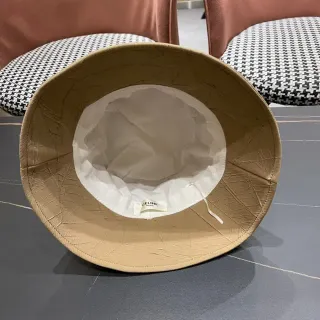
Hats are the cheapest line in most albums, which is also why they get the least photography discipline. A typical row shows the crown from the front, one side panel and, if you are lucky, the back closure. The three things that decide whether the cap survives a season — embroidery backing, visor board stiffness and the material of the adjuster — are all on the inside.
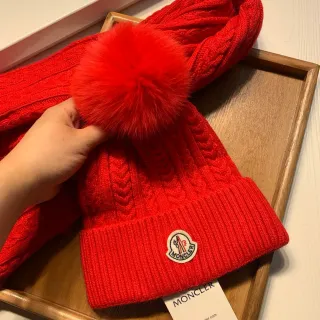
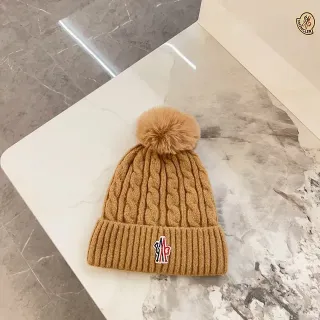
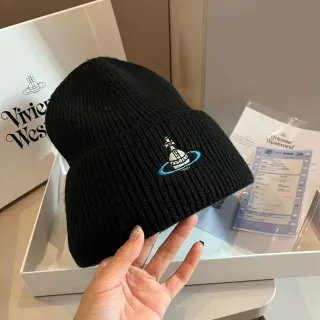
Ask for one photo of the interior before you quote a code. Buckram behind the front panel holds the shape; a heat-pressed plastic backing shows up as a shiny patch and collapses after a few washes. On beanies the meaningful variables are yarn weight and cuff depth, both readable from a flat-lay with a ruler in frame.
Hats ship by volume rather than weight, so a single-cap parcel usually pays a minimum charge that costs more than the cap. Consolidate them with a bag, a jacket or a shoe order, and treat the cap as a filler line rather than the reason for the shipment. That single change is often the difference between a 9 USD and a 4 USD landed cost.